In development
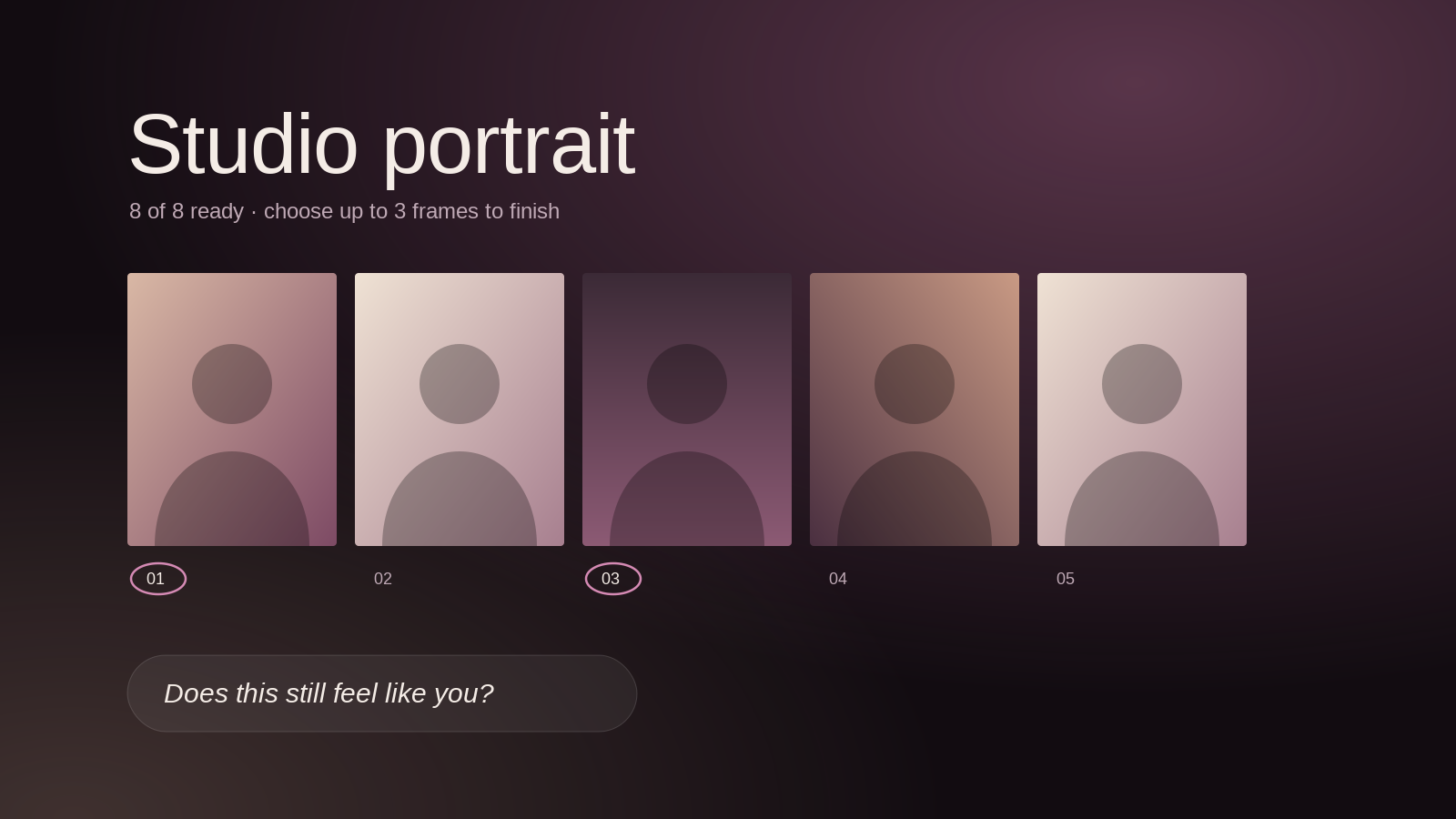
Fayla Photo Studio
An AI photo studio: take a few photos of yourself once, then get editorial photoshoots that still look like you. Privacy-first, and in development now.
View project
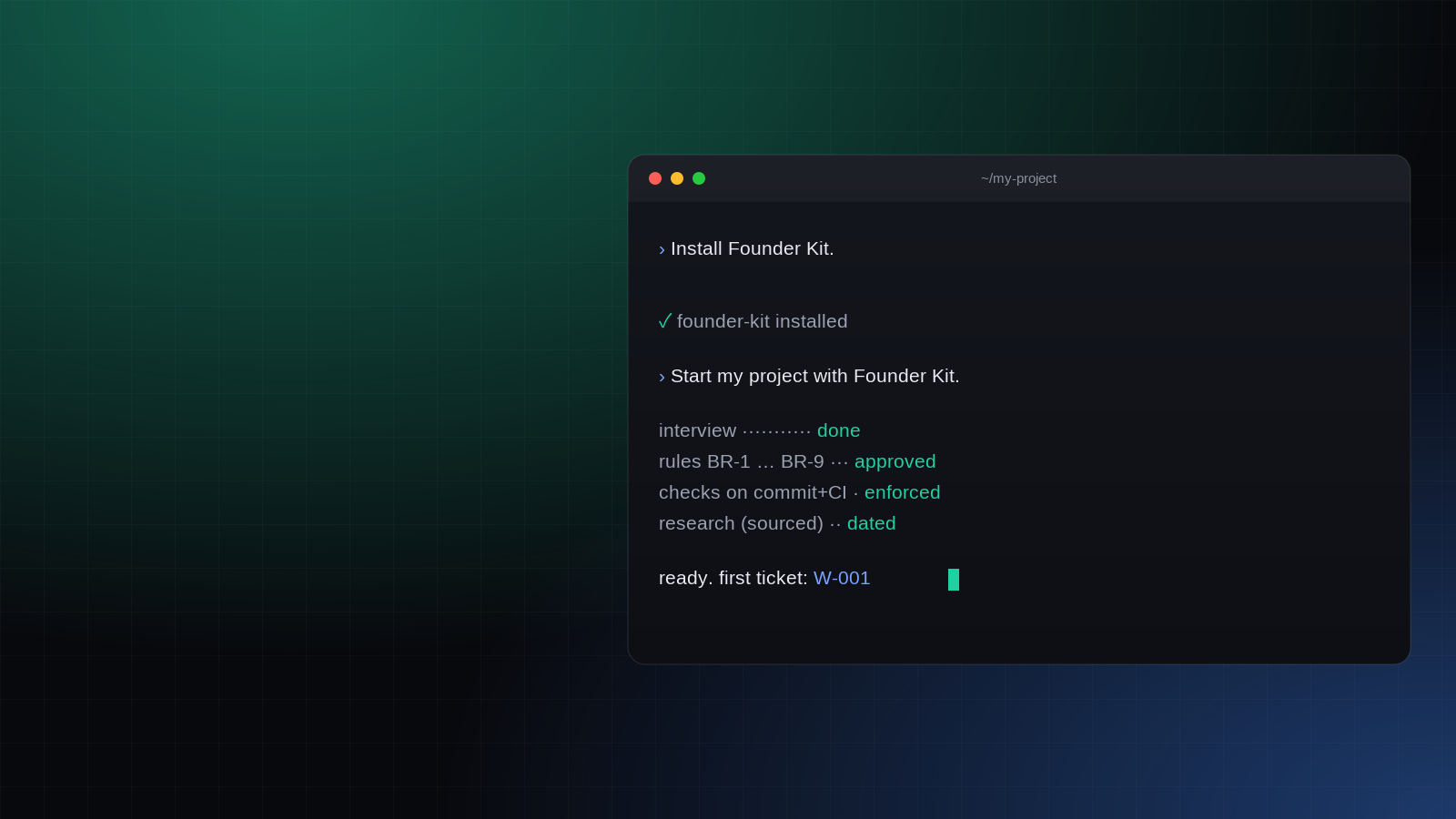
Structure, rules and audits first. Then it keeps your agents to them, change after change.
01About
Without strict architecture, rules and audits, a project built with AI agents turns into a mess fast. Founder Kit puts the structure, the rules and the audits in place first, and keeps your agents to them, change after change: from the first idea and the first line of code to release and maintenance.
It's a set of Agent Skills, instruction packs that AI agent tools load when a task needs them. It runs inside the agent tool and with the models you already use, and it works for any field: software, games, video, music, marketing and ads, hardware, writing.
It's built for engineers who want discipline without the overhead, and for people who have never written code or never worked in the field they want to build in. You bring the idea and the taste. The kit brings researched practice from that field, explains each technical term the first time it appears, and asks you only what's yours to decide.
A check does not forget.
02The problem
You describe an idea, and an agent produces a lot of work quickly. A few weeks later:
The cost is real: work done twice, model usage paid twice, and a project you no longer trust. If you don't read code, you can't even see it happening. The usual fix is a rules file written by hand. Agents read it some of the time, nothing checks it, and nobody notices when it's ignored.
03Origins
Founder Kit comes from mistakes that cost real time and money, across many projects in software, games, video generation and music. Each mistake became a rule, and each rule got a check wherever a machine can judge it.
| What went wrong | What the kit does now |
|---|---|
| Agents forgot the rules | Rules live in files and run as checks on every commit and in CI. A check does not forget. |
| A failing check was quietly loosened | The guard refuses a loosened rule or check unless your dated decision is in the same change. |
| Taste work went round in redo loops | References first, a cheap preview, two or three options, your pick, a fixed number of attempts. |
| A surprise bill | No paid service before you set a spending cap. A paid batch is estimated first and waits for your yes. |
| A leaked secret | Agents don't read the environment file, and gitleaks scans every commit and every push. |
| Leftover servers and busy ports | Agents record what they start and stop it before they report. |
| A decision contradicted later | Decisions are logged with dates. A request that contradicts one is quoted back to you first. |
| Work nobody could trace | Work runs as tickets, and scripts and hooks write each ticket's history as it happens. |
04How it works
You say what you're making, for whom, what good looks like, your red lines and your taste. Red lines become numbered rules (BR-1, BR-2, …).
The kit studies how this kind of work is done well, with sources and dates.
You see the plan once: the crafts, the quality bars, the tools with their cost, and which model does which job. Only what you approve gets installed.
It designs where new work goes, then writes your project its own instruction file, its own skills and a rules ledger.
Rules become checks in the project's check command, a pre-commit hook and CI. Each check is shown failing once, so you know it really checks something.
Each piece of work is a ticket with a written brief. A helper agent does it and proves it on the real result; an independent reviewer answers ACCEPT or REVISE.
Each two-week sprint ends with an audit against the agreed design, rules and decisions. Each finding becomes a ticket.
Publishing, deploying and paying wait for your yes each time. After release, your corrections become rules the same day.
05Led and controlled
You're asked only what you alone can decide, in batches, each with a recommended option. Reversible technical choices are made for you and listed, so you can reopen any of them in one sentence.
Every answer goes into a dated decisions log, and the newest wins. A request that contradicts one is quoted back to you with its date before anything changes.
The rules ledger lists each rule with its source and its check. The project's check fails when a rule has no check, or points at one nothing runs.
Removing a check, weakening a rule or raising a baseline needs your dated decision in the same change. The guard refuses it otherwise.
The board refuses a review from the agent that did the work. A reviewer at least as strong as the author checks it, and a ticket closes only on ACCEPT.
At most two rounds of fixes, then the question comes to you with both verdicts. Taste work gets a fixed number of attempts; research stops at its budget.
Each two-week sprint ends with an audit of the work against the agreed design, rules and decisions. Every finding becomes a ticket.
It reads your machine's cores, memory and disk, keeps a reserve for you, and won't launch work that can't finish before your usage limit resets.
Agents never read your secrets file, gitleaks scans every commit and push, third-party skills are scanned in quarantine, and paying, publishing or deleting always waits for your yes.
06Proof
A rule from a test project's ledger: SND-01 says to master the audio to -16 LUFS, checked by a script and enforced. An agent switches the rule to review and commits without a decision. The pre-commit hook stops the commit:
fk guard: SND-01 is checked more weakly (tools/checks/loudness.mjs enforce -> review -); that needs the owner's dated decision in docs/decisions.md in the same change, naming SND-01With a dated decision row in the same commit, the same change goes through. That's the kit's own pre-commit test.
07Research first
The kit ships no built-in practice for any field. Before a single project skill is written, it researches how your craft is done well, fresh for your project: an app, a game, an ad campaign, a podcast, generated video, a circuit board or a novel. Each research note answers eight questions:
Each claim carries a source and a date. A second reader opens the sources behind the rules that will be enforced, and a rule whose source nobody could open stays a draft until someone verifies it.
08The board
Each project gets one ticket board in the browser, kept running for you. The lead agent gives you its link with every question and every report.
Ticket history is written by scripts and hooks as things happen, so the record never relies on what an agent remembers.
09Your tool, your model
The skills follow the open Agent Skills format, read by Claude Code, Codex, Cursor, GitHub Copilot, Gemini CLI and more. They never name a model: each piece of work has a role, and each role has a tier. At setup the kit finds which models your tool can really use, proves each mapping with one tiny call, and shows you the cost before you approve it.
| Role | Tier | Does |
|---|---|---|
| Advisor | Top | Checks the approach before work starts and the result before "done". |
| Lead | Strong | Plans, briefs, reviews, integrates and talks to you. Doesn't do the work itself. |
| Executor | Fast, standard or strong, by difficulty | Does one briefed piece of work. |
| Reviewer | Strong | Checks finished work. Never its author. |
10Questions
Setup costs one interview, one research pass and one approval. After that, each commit runs only the fast checks that apply to what changed, and each piece of work waits for one independent review with at most two fix rounds. Bookkeeping runs as scripts that use no model calls, and simple tasks go to fast models.
Agents act with your permissions, so the kit limits what they may do alone. Secrets stay in an untracked file agents don't read, gitleaks scans every commit and push, only tools you approved are installed, and paying, publishing, deploying, deleting real data and sending messages need your yes each time.
No. You answer in plain words and pick from options with pictures. What only you can do, such as creating an account or putting a key in the environment file, comes as a to-do list with exact steps.
The adopt skill surveys it read-only first. It gathers the rules already scattered across docs and agent rule files, and the newest statement wins. It doesn't rewrite your files without asking. Existing problems are counted and frozen: nothing fails on day one, and the count can only go down.
The checks catch drift and honest mistakes. They're scripts and text checks, so a determined effort can get past them. The independent reviewer and CI are the second line, and rules only a person can judge go to the reviewer.
11Evidence
Not yet shown: the skills have only been run in Claude Code so far (other tools' formats come from their documentation), and no graded comparison against working without the kit has been run yet.
Founder Kit is coming to the marketplace soon. Early access is open now: write to us and we'll get you set up.
+More from Fayla
An AI photo studio: take a few photos of yourself once, then get editorial photoshoots that still look like you. Privacy-first, and in development now.
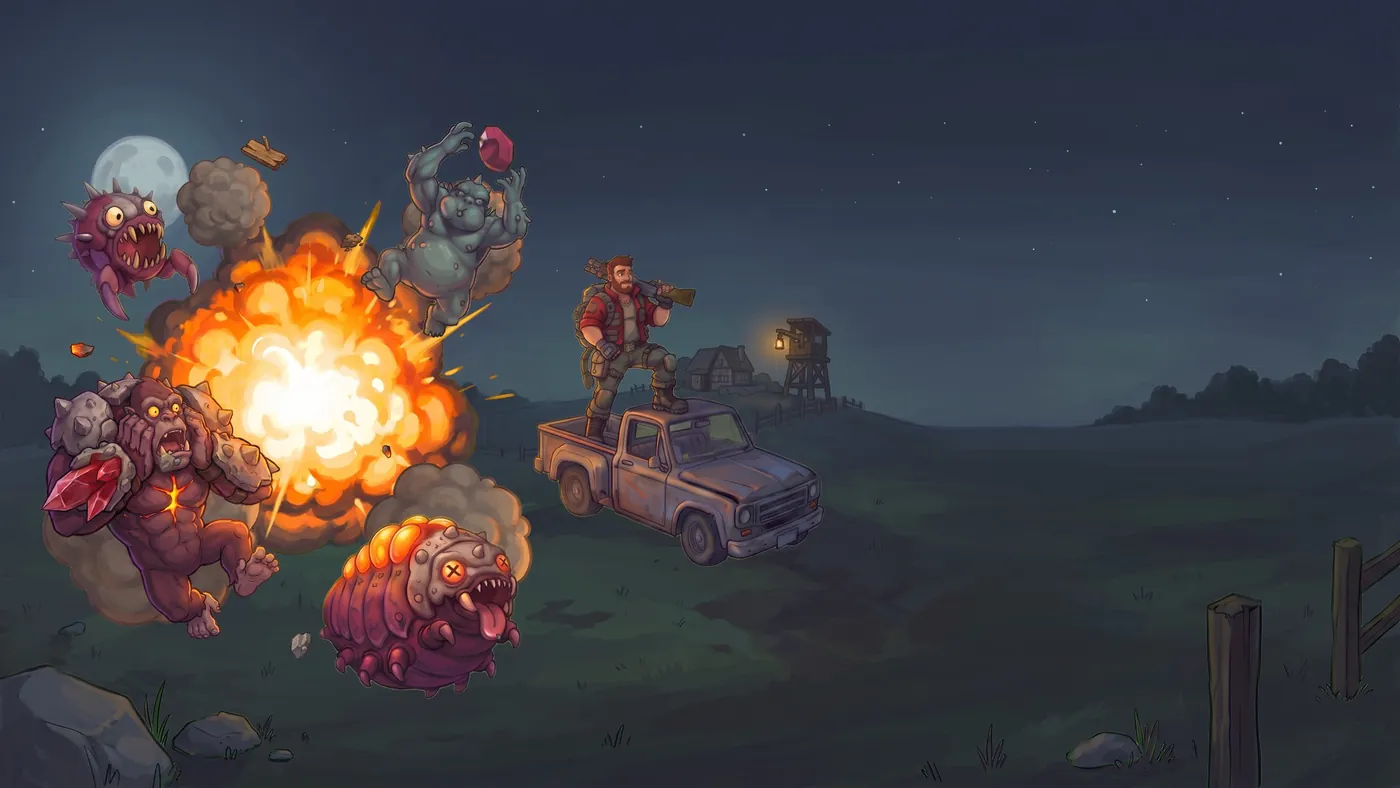
An isometric horde shooter with base defence. A quake splits the valley, blind creatures climb out every night, and you, a rancher rather than a soldier, have twelve nights to hold the farm.
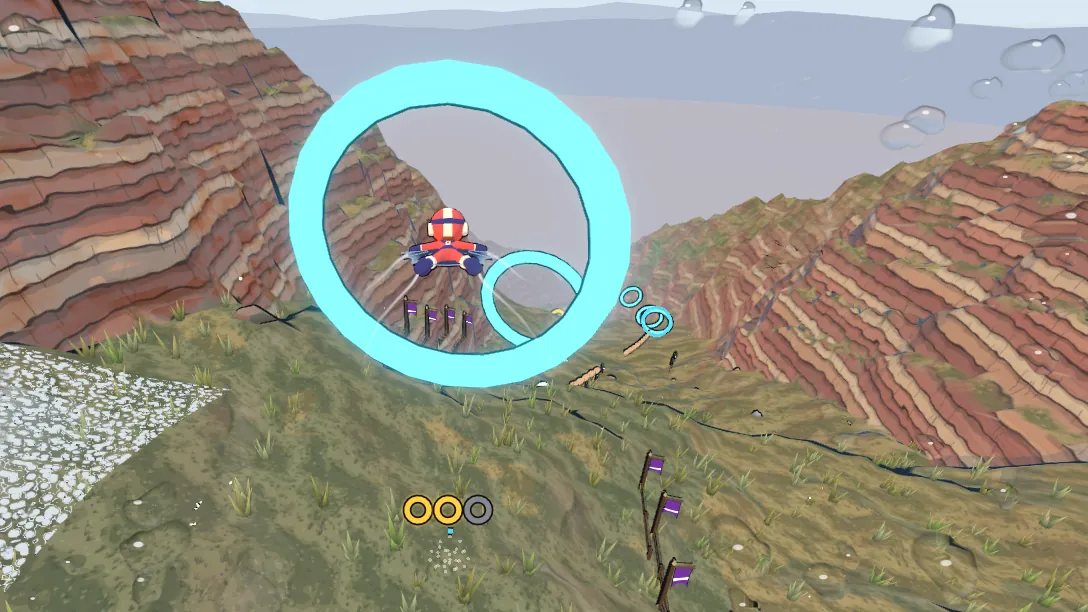
An arcade dive through a canyon that runs to the centre of the Earth. Fly low to grow your coin pot, thread a golden ring to bank it, and lose everything you haven't banked when you crash. Then buy a dumber hat.